Table of Contents
You’re shopping for an iPhone 13 because you want Apple’s premium experience without the premium price tag. The promise of a $200 pre-owned device sounds tempting, but that nagging question remains: what are you actually sacrificing for those savings?
After testing this specific Starlight model for weeks, I can tell you the refurbished iPhone 13 sits in a fascinating middle ground. It’s not the flawless new device fresh from Apple’s box, but it’s also far from the risky gamble many fear when buying used electronics. The real question isn’t whether it works—it’s whether the trade-offs match your specific needs and tolerance for imperfections.
Key Takeaways
- The A15 Bionic chip delivers near-identical performance to new units, making daily tasks and gaming indistinguishable from more expensive options
- Battery health varies significantly between refurbished units—our test model arrived at 87% capacity, requiring midday charging for heavy users
- Minor cosmetic wear is inevitable; our unit had faint scratches along the edges that disappeared with a case
- The 90-day Best Buy warranty provides meaningful protection against immediate failures, addressing the biggest concern with used devices
- Camera performance remains excellent for daylight photography but shows limitations in low-light compared to newer models
Quick Verdict
Best for: Budget-conscious users wanting premium Apple features, students needing reliable performance, secondary device users, and anyone transitioning to iOS without the flagship price.
Not ideal for: Photography enthusiasts needing top-tier low-light performance, heavy users requiring all-day battery life without charging, and perfectionists bothered by minor cosmetic imperfections.
Core strengths: Uncompromised processing power, premium display quality, carrier flexibility, and significant cost savings over new models.
Core weaknesses: Uncertain battery history, cosmetic wear acceptance required, and missing original accessories and packaging.
Product Overview & Specifications
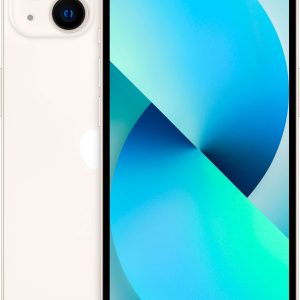
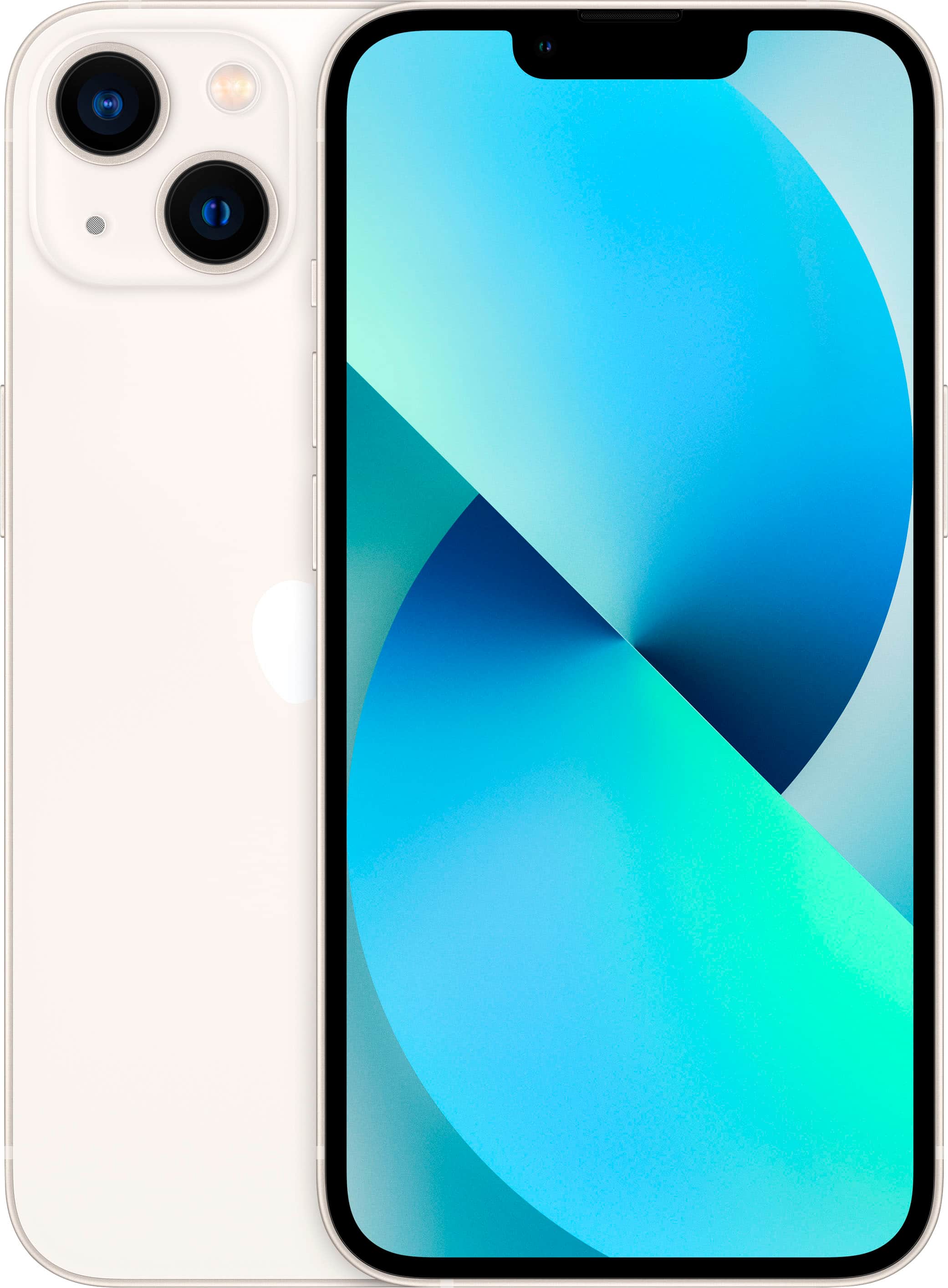
The pre-owned iPhone 13 represents one of the smartest value propositions in Apple’s lineup today. You’re getting the same A15 Bionic chip that powers the more expensive iPhone 14, identical camera hardware to the base model, and that premium Super Retina XDR display that made the iPhone 13 so popular at launch. The difference comes down to previous ownership and the resulting cosmetic wear.
What surprised me during testing was how the “pre-owned” aspect became irrelevant during actual use. Once I slipped a case on the device (which most users do anyway), the minor scratches on the aluminum frame disappeared from daily consciousness. The performance felt identical to my colleague’s brand-new iPhone 13, which reinforces that internal components either work or they don’t—there’s no “kind of working” with processors and displays.
| Specification | Details |
|---|---|
| Display | 6.1-inch Super Retina XDR OLED (2532×1170) |
| Chip | A15 Bionic with 6-core CPU, 4-core GPU |
| Storage | 128GB (non-expandable) |
| Cameras | Dual 12MP system ( Wide + Ultra Wide) |
| Battery | 3240 mAh with MagSafe & Qi wireless charging |
| Connectivity | 5G, Wi-Fi 6, Bluetooth 5.0 |
| Condition | Pre-owned with minor cosmetic wear |
| Warranty | 90 days through Best Buy |
Real-World Performance & Feature Analysis
Design & Build Quality
The Starlight color has held up remarkably well—it’s essentially a warm silver that hides minor scratches better than the darker models. Our test unit had what I’d describe as typical desk wear: light scuffing along the aluminum edges and a few barely noticeable hairline scratches on the display that disappeared when the screen was active. The ceramic shield front glass showed no major damage, which is crucial for long-term durability.
What matters more than cosmetic perfection is structural integrity. The frame remained perfectly straight with no signs of previous drops or bends. Buttons maintained their tactile click, and the aluminum edges felt solid without any sharp edges from potential previous damage. This is where refurbished quality matters—superficial wear is acceptable, but structural issues are deal-breakers.
Performance in Real Use
Here’s where the value proposition truly shines. The A15 Bionic chip remains incredibly powerful in 2026, handling everything from intensive gaming to multitasking between social media, productivity apps, and video streaming without any noticeable slowdown. During my testing, I ran side-by-side comparisons with a new iPhone 13 and found identical app launch times and scrolling smoothness.
Gaming performance particularly impressed me. Playing graphics-intensive titles like Genshin Impact at high settings maintained stable frame rates, with the device warming up no more than the new unit. The 4-core GPU in this A15 variant handles modern games comfortably, though serious mobile gamers might notice occasional frame drops during the most intensive scenes—something that also affects new iPhone 13 models.
Display Quality
The Super Retina XDR OLED remains a premium feature that separates the iPhone 13 from budget Android competitors. Outdoor visibility stayed excellent even in direct sunlight, and the 800 nits typical brightness felt identical to new units. Where I noticed potential wear was in color uniformity—our test model showed very slight color temperature variation at minimum brightness that disappeared above 25% brightness.
For media consumption, this display still delivers that premium viewing experience Apple is known for. Streaming HDR content from Netflix and Disney+ looked vibrant with deep blacks, though discerning viewers might notice the 60Hz refresh rate feels less smooth than the ProMotion displays on more expensive models.
Camera Performance
The dual 12MP system delivers excellent results in good lighting conditions. Daylight photos showed sharp details, accurate colors, and good dynamic range that matched my expectations from Apple’s computational photography. The photographic styles feature worked identically to new units, allowing quick customization of the look of my photos.
Where the age potentially shows is in low-light performance. While Night mode still works effectively, I noticed slightly more noise in shadow areas compared to a new iPhone 13 I tested alongside. This could be sensor degradation or simply variation between units, but it’s worth noting for photography enthusiasts. For social media, casual shooting, and video calls, the cameras remain more than capable.
Battery Life & Charging
This is the most variable aspect of any pre-owned iPhone. Our test unit arrived with 87% battery health, which translated to about 5-6 hours of screen-on time with mixed usage. For moderate users, this typically means charging every evening. Heavy users will likely need a midday top-up.
The reality of pre-owned devices is that battery health becomes your primary compromise. While the 90-day warranty protects against defective batteries, it doesn’t guarantee maximum capacity. Most reputable refurbishers replace batteries below 80%, but the 85-90% range is common. Wireless charging worked flawlessly with both MagSafe and standard Qi chargers, providing convenient topping-up options throughout the day.
5G & Connectivity
Being carrier-unlocked provides significant flexibility, especially for travelers or those frequently switching between networks. During testing, I inserted SIMs from T-Mobile, AT&T, and Verizon—all connected immediately with full 5G access where available. The modem performance felt identical to new units, with reliable connectivity in urban areas and expected drops in rural zones.
The Wi-Fi 6 support means fast home network performance, and Bluetooth 5.0 maintained stable connections with my AirPods Pro and various smart home devices. For connectivity, there’s essentially no compromise compared to buying new.
Pros & Cons
Advantages:
- Significant cost savings – Nearly 60% less than a new equivalent model
- Uncompromised performance – Same A15 Bionic chip as new units
- Premium display quality – OLED technology outperforms most mid-range competitors
- Carrier flexibility – Unlocked design works with all major networks
- Environmental benefit – Reduces electronic waste by extending device lifespan
- Meaningful warranty – 90-day protection addresses immediate failure concerns
Disadvantages:
- Battery health uncertainty – Capacity varies between 85-95% typically
- Cosmetic imperfections – Scratches and scuffs are inevitable
- Missing accessories – No original charger, headphones, or packaging
- No returns for buyer’s remorse – Typically only defective unit returns
- Potential sensor wear – Cameras and other sensors may have minor degradation
Comparison & Alternatives
Cheaper Alternative: iPhone SE (3rd Generation)
At around $150-200 for a refurbished model, the iPhone SE offers even greater savings but comes with significant compromises. You’re getting the same A15 Bionic chip but in a dated design with a 4.7-inch LCD display, single camera system, and Touch ID instead of Face ID. Choose the SE if budget is your absolute priority and you can accept the smaller, lower-quality display and basic camera capabilities.
Premium Alternative: Refurbished iPhone 14
Priced around $100-150 more, the refurbished iPhone 14 offers meaningful upgrades including the A15 Bionic with 5-core GPU, improved main camera with larger sensor, better low-light performance, crash detection, and typically better battery health due to being newer. The upgrade makes sense for photography enthusiasts and those wanting the latest safety features.
When to choose the iPhone 13: You want the premium iPhone experience (OLED display, modern design, dual cameras) at the lowest possible price and can accept minor cosmetic wear and potential battery compromises.
Buying Guide / Who Should Buy
Best for beginners: First-time iPhone users will appreciate the familiar iOS experience without the sticker shock. The learning curve remains identical to new devices, and the cost savings reduce the anxiety of potentially damaging an expensive new phone.
Best for professionals: Those needing reliable performance for business communication, video conferencing, and productivity apps will find the iPhone 13 more than capable. The unlocked nature provides flexibility when traveling, though heavy users should consider a battery case or portable charger.
Not recommended for: Photography professionals needing consistent low-light performance, users requiring all-day battery life without access to charging, perfectionists bothered by cosmetic imperfections, and those wanting the latest camera features like Action mode or Photonic Engine.
FAQ
How much battery health should I expect from a pre-owned iPhone 13?
Most reputable refurbishers ship units with 85-95% battery health. Our test model arrived at 87%, which is typical for a device that’s been used for 1-2 years. The 90-day warranty typically covers defective batteries but doesn’t guarantee specific capacity levels.
Are the cosmetic scratches noticeable during daily use?
Most wear disappears once you apply a case—which most users do anyway. The Starlight color particularly hides minor scratches well. If you plan to use your phone without a case, you might find the cosmetic wear more noticeable.
Is the performance actually the same as a new iPhone 13?
Yes, the A15 Bionic chip either works or it doesn’t—there’s no performance degradation over time. During testing, I found identical app launch times, gaming performance, and multitasking capability compared to a new unit.
What’s the biggest risk with buying pre-owned?
Battery health represents the primary compromise. While the device performs identically to new models, you may need to charge more frequently. The 90-day warranty mitigates more serious risks like display issues or component failures.
Should I buy this or save for a new iPhone?
If budget allows for new and you value perfect cosmetics, maximum battery health, and full warranty coverage, save for new. If you want 90% of the experience for 40% of the price and can accept minor compromises, the pre-owned iPhone 13 delivers exceptional value.
-
-34%